Phnom Penh Apsara
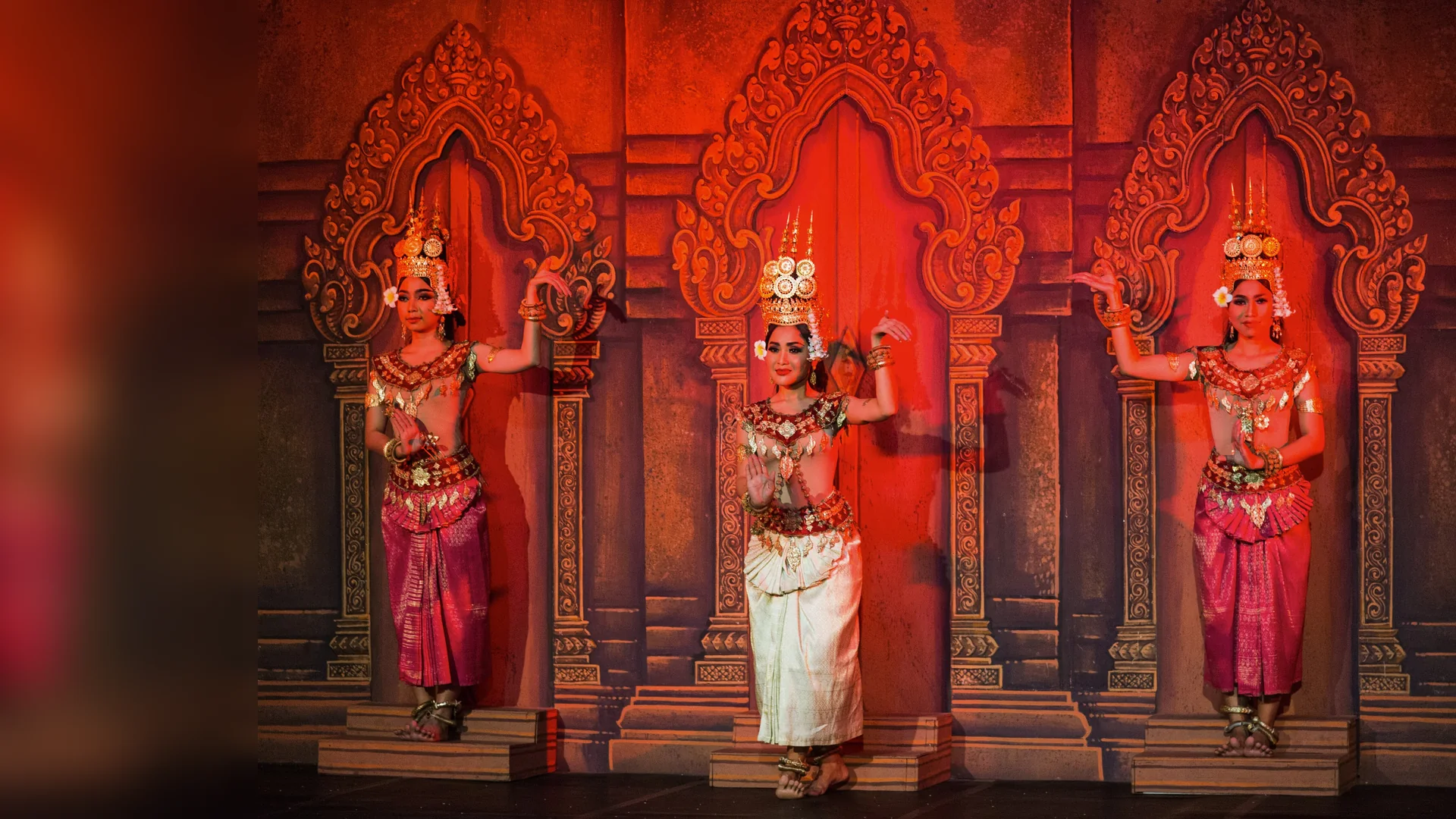
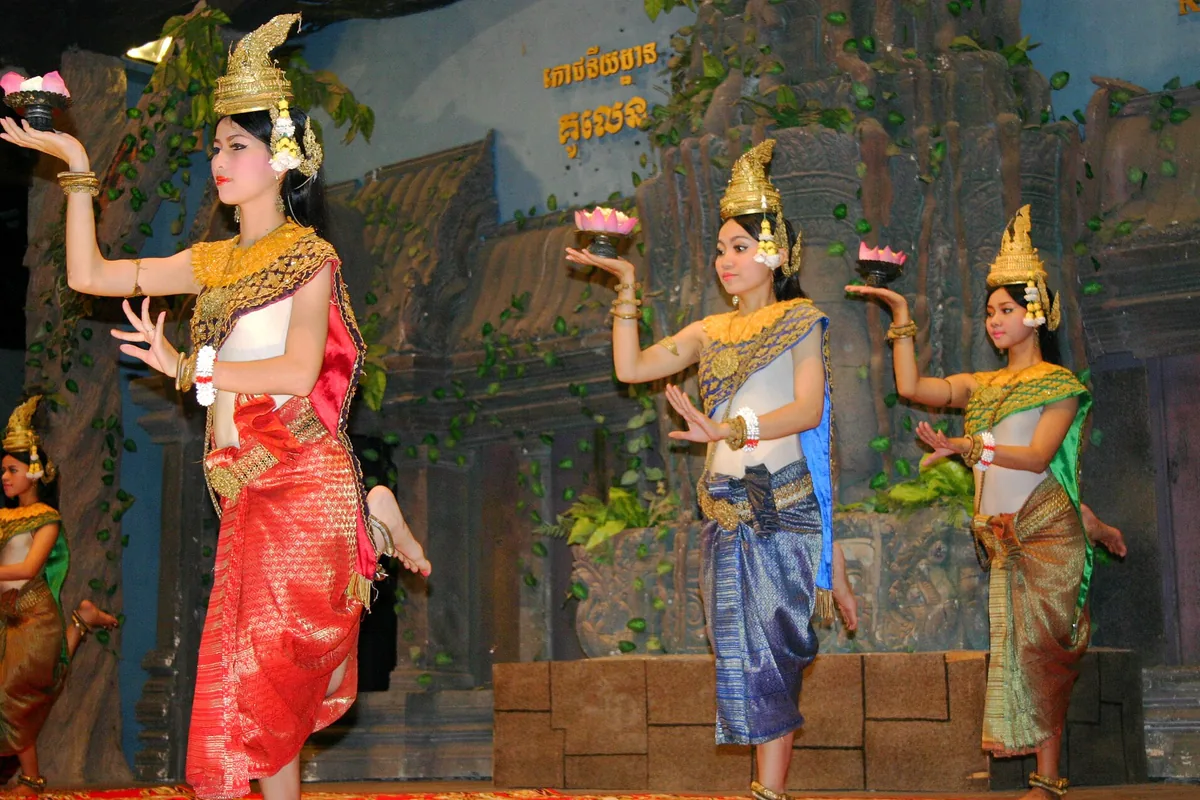
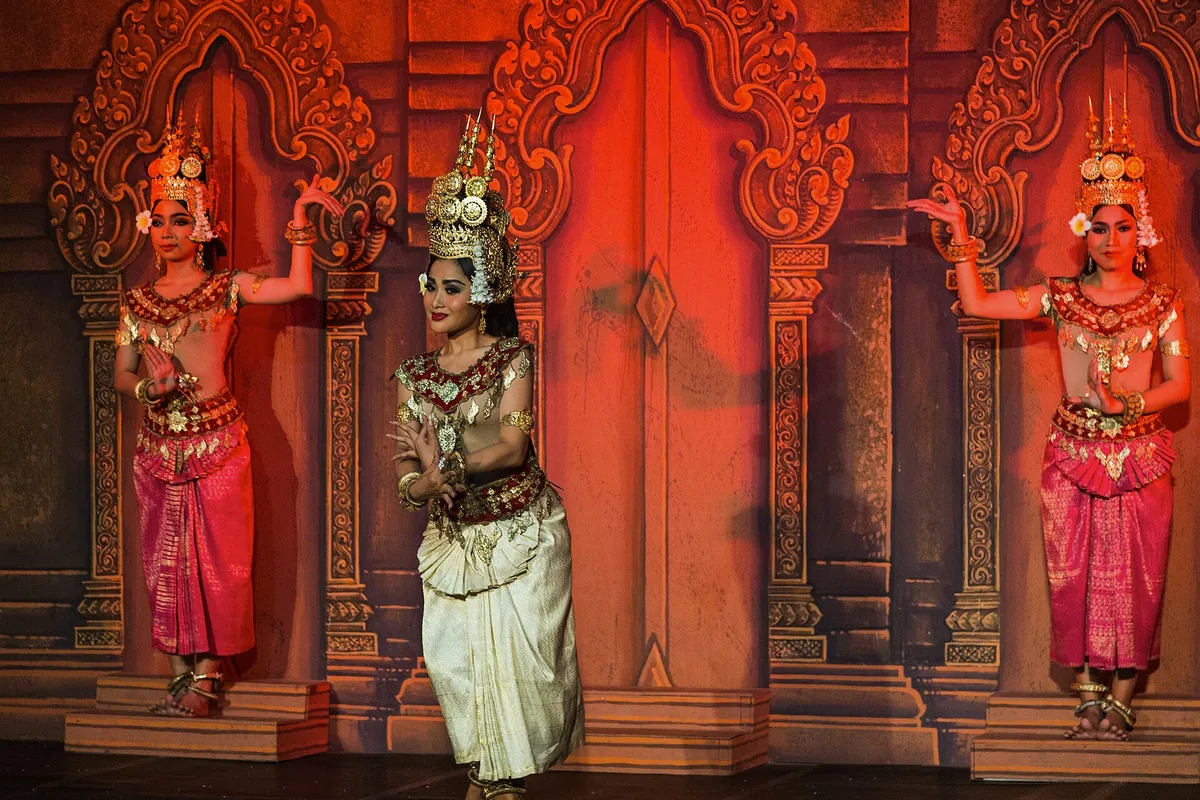
Three apsara dancers in gold crowns and silk before a carved temple-style backdrop lit red, the dancer in the centre dressed in white.

Khmer classical dance · Phnom Penh

Apsara dancers in gold, beside the Tonlé Sap

4.7 (105 verified reviews · GetYourGuide)

Khmer classical dance on a riverside terrace: graceful hands, gold crowns and silk costumes.

The dance inspired by Angkor's carved apsaras, performed live beside the river.

4.7 / 5
the average across 105 verified reviews
2003
since when UNESCO has listed the Royal Ballet of Cambodia as intangible cultural heritage
Four
character types in the classical repertory: Neang, Neayrong, Yeak and Sva
105 minutes
the duration shown on the ticket

The riverside evening

Why watch Khmer classical dance in Phnom Penh

  1. A court art that survived

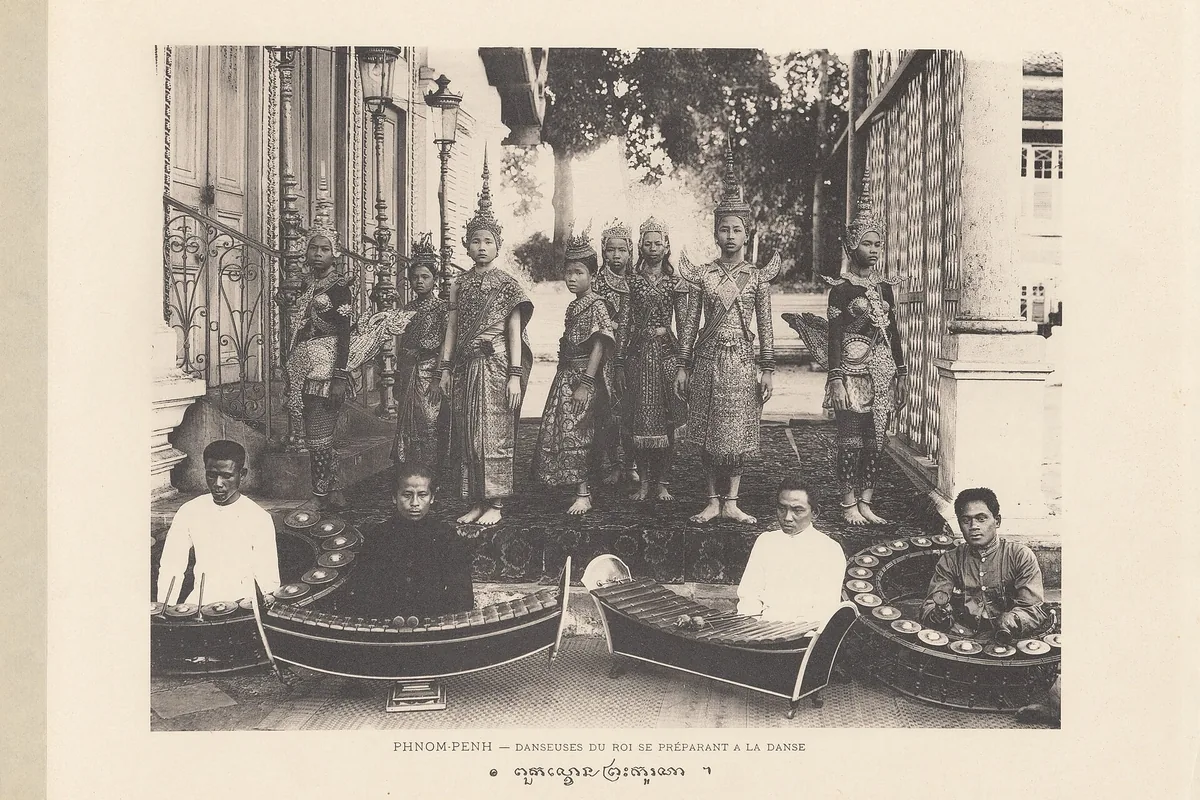
    Khmer classical dance has been closely associated with the Khmer court for over one thousand years, and UNESCO lists it as the Royal Ballet of Cambodia. Its dancers were seen as messengers of the kings to the gods and to the ancestors. The Khmer Rouge regime nearly wiped out the tradition, and after 1979 troupes re-emerged and resumed performing the ancient repertory.

  2. The apsara, carved before she danced

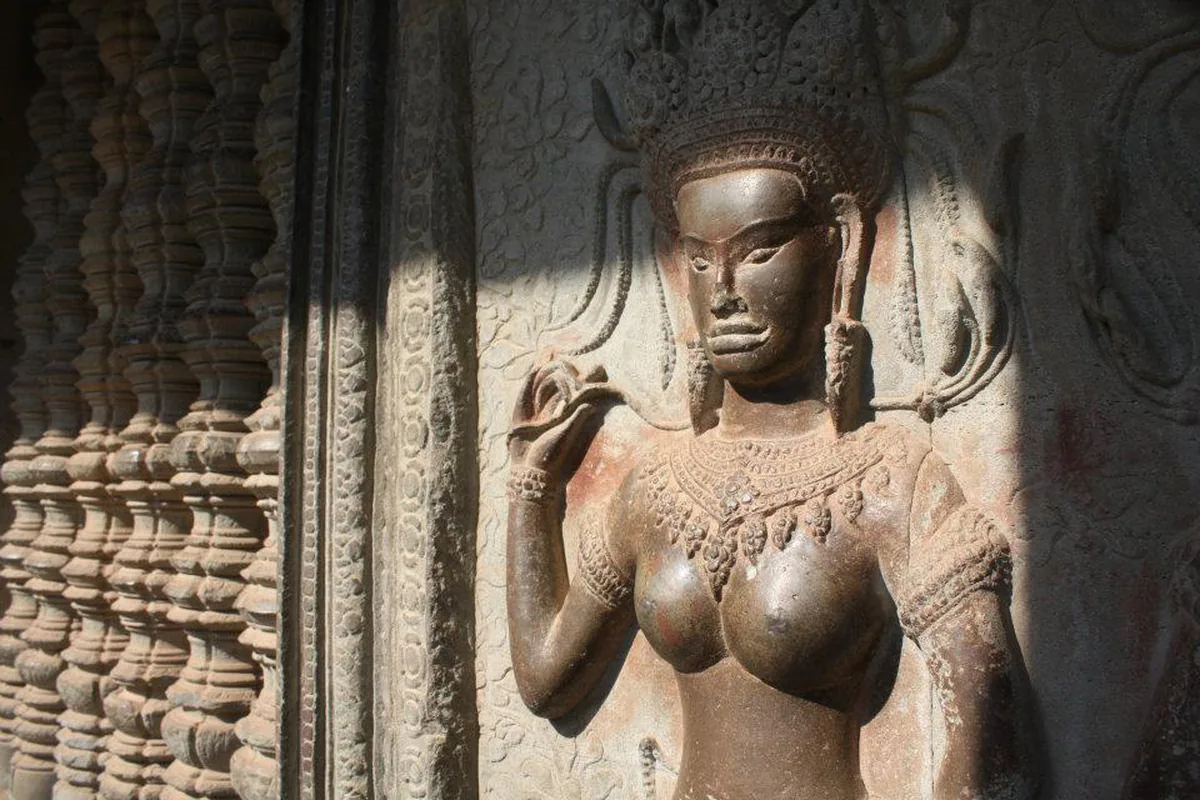
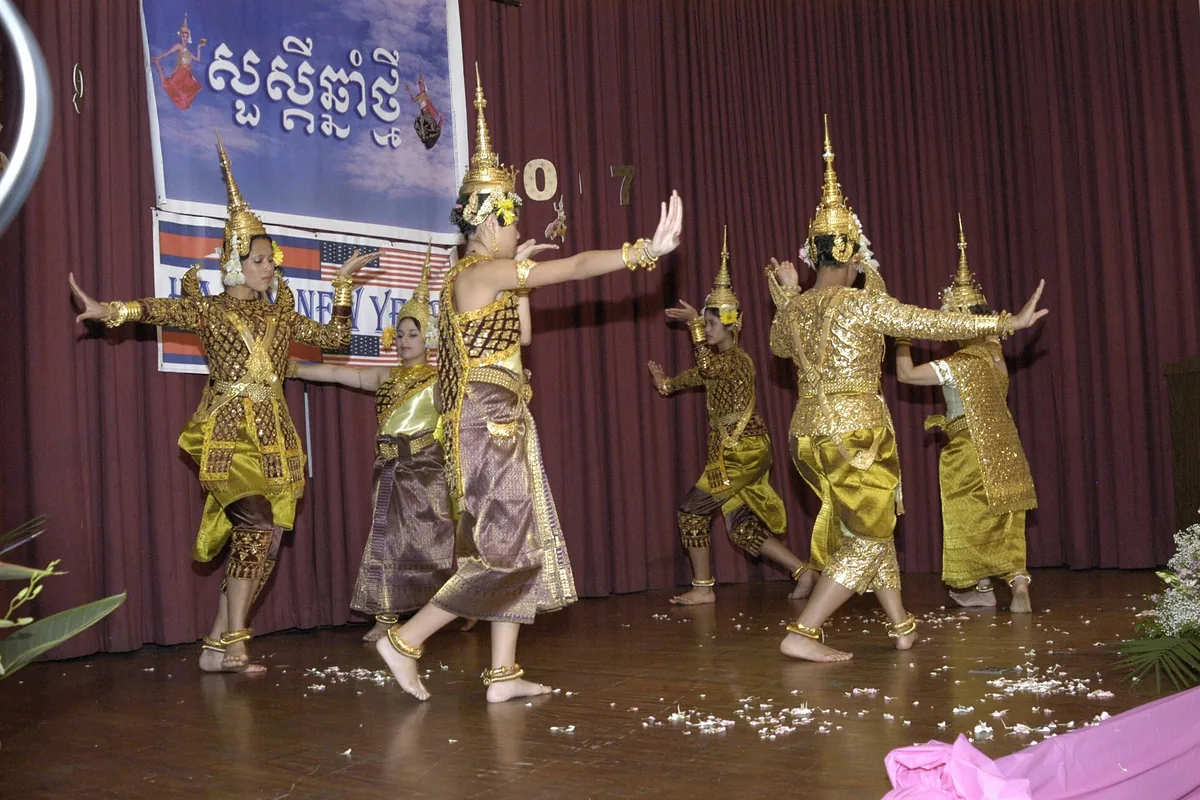
    Apsaras are celestial dancers, carved in stone along the walls of Angkor's temples. The Apsara dance performed today dates from the 1950s, when Queen Sisowath Kossamak drew on the apsaras of Angkor for its crown, its pleated sampot and its flower.

  3. A terrace on the Tonlé Sap

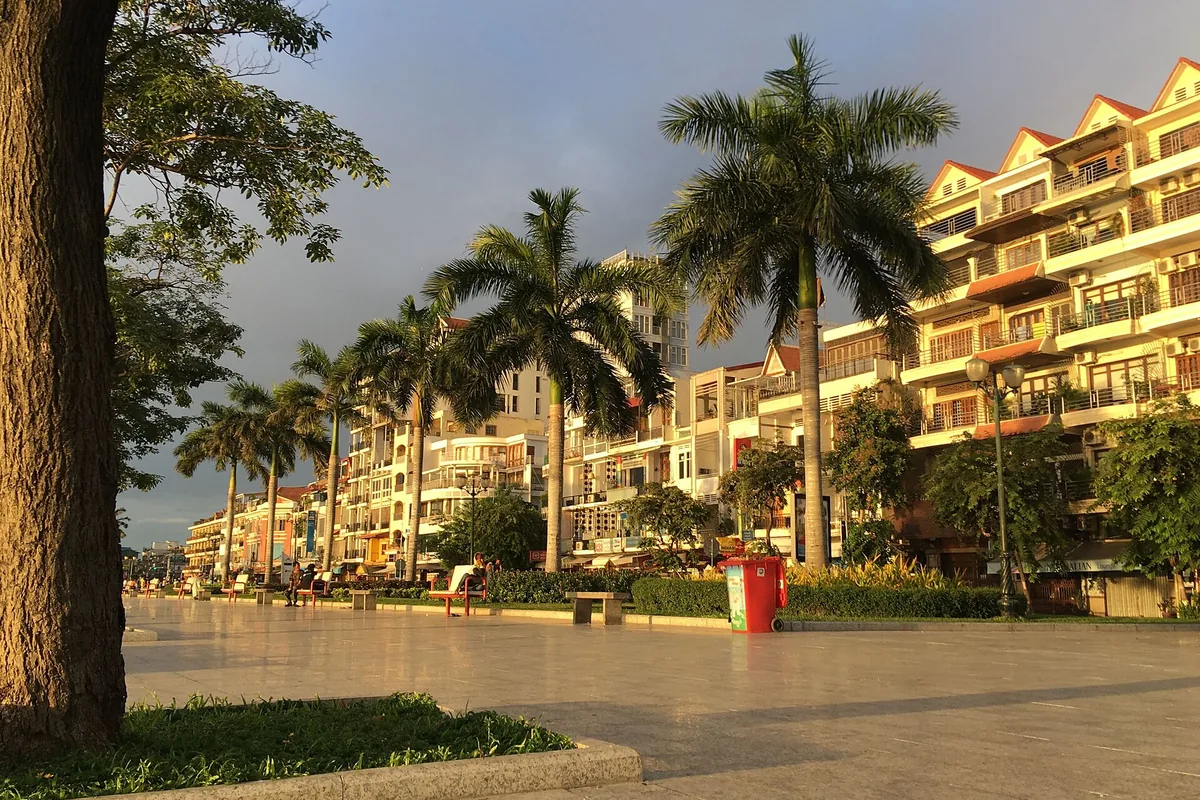
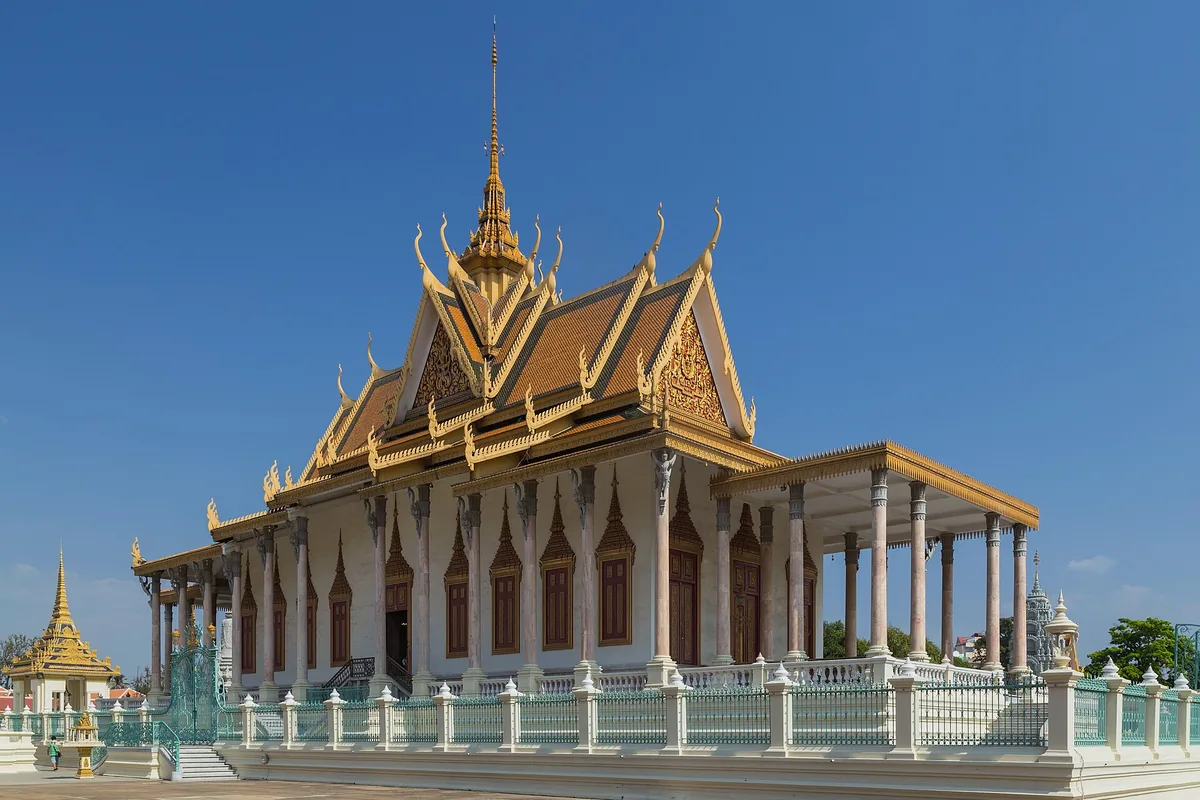
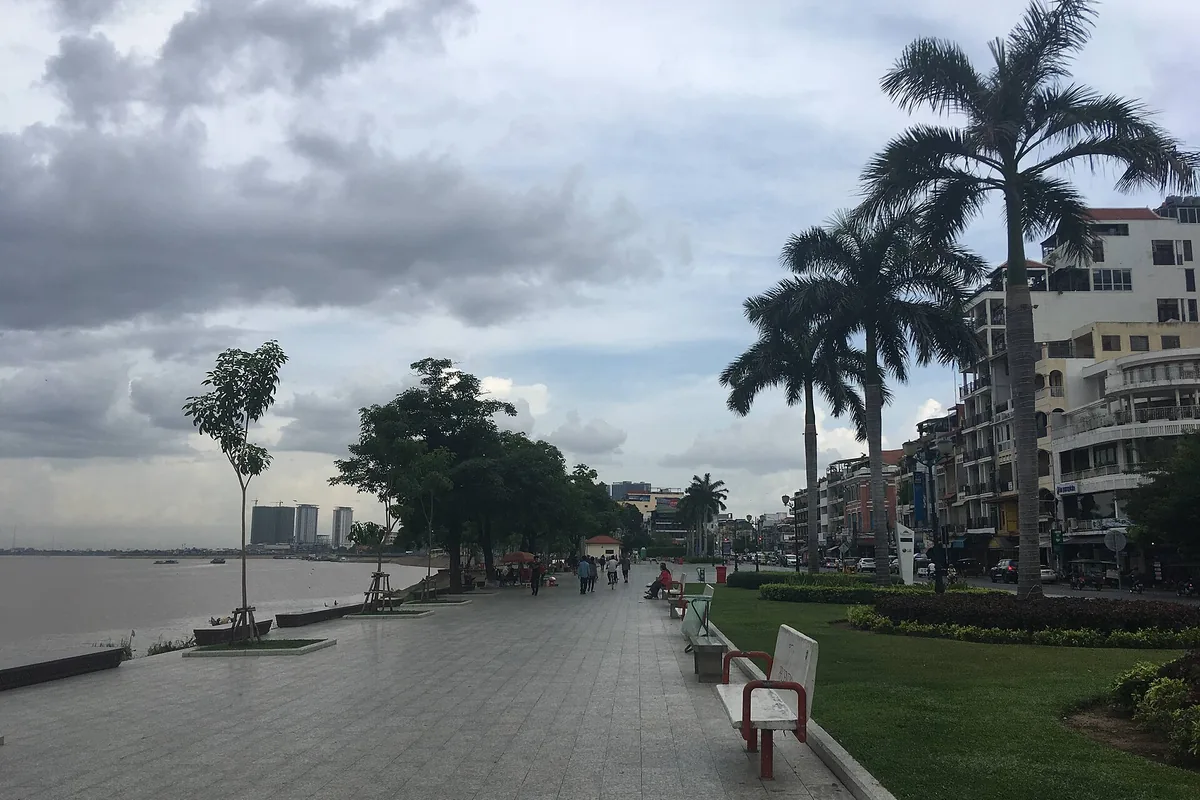
    The ticket places the show at the Riverview Restaurant & Bar on Preah Sisowath Quay, a three-kilometre riverfront strip lined with hotels, restaurants, bars, cafés and shops. The restaurant is within walking distance of the Royal Palace, and the show runs on its terrace, moving indoors when it rains.

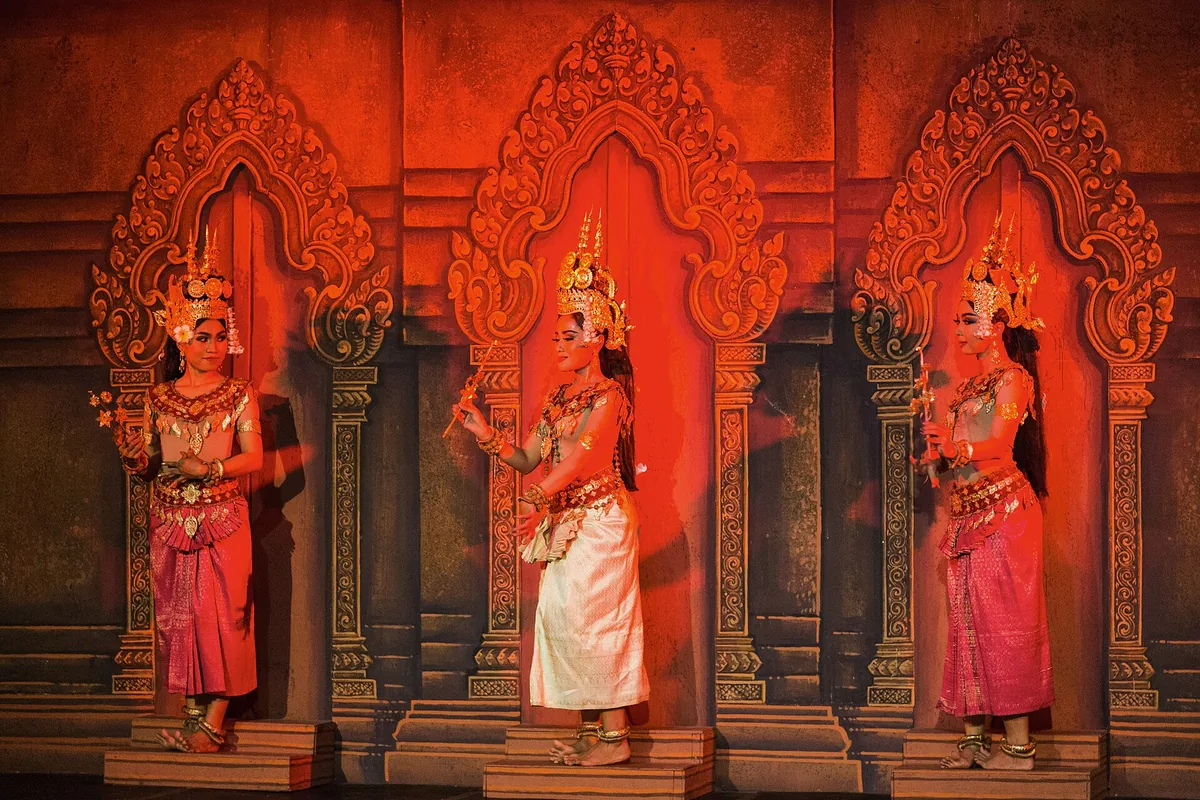
Three apsara dancers in gold crowns, each standing in front of a carved arch in a red-lit temple-style backdrop, the centre dancer in white.
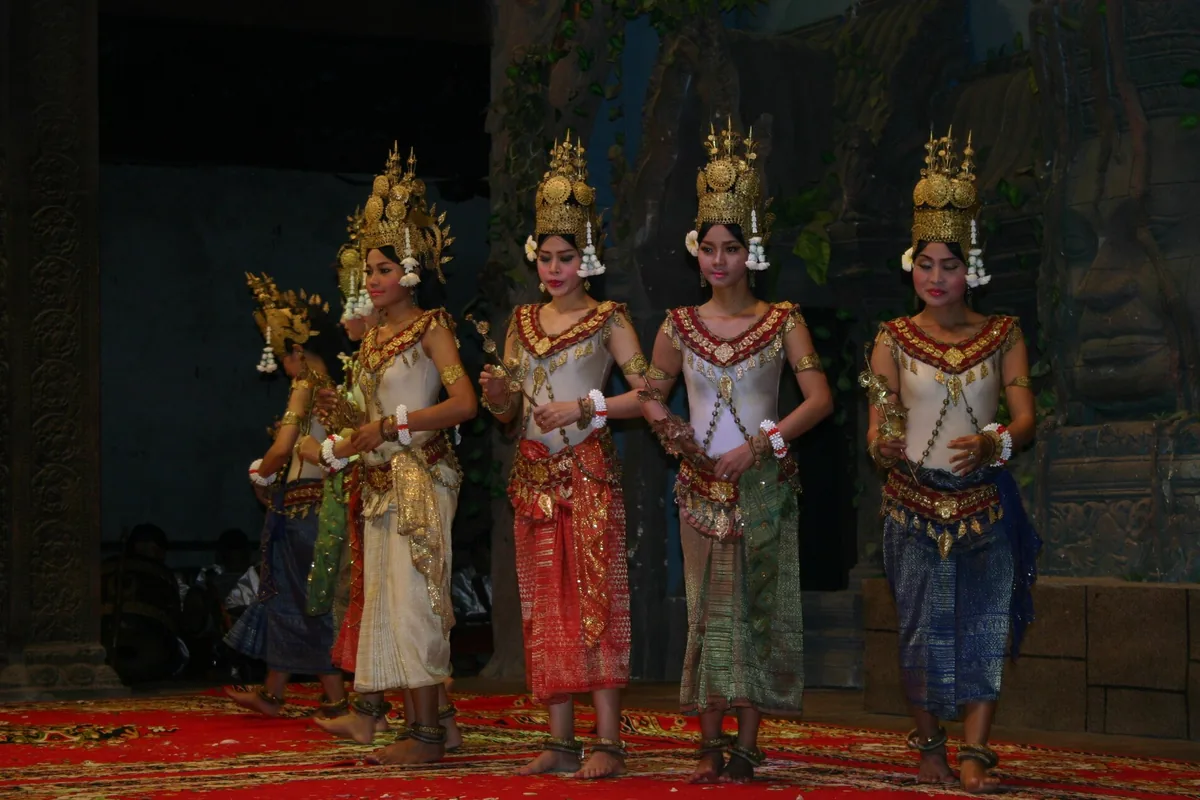
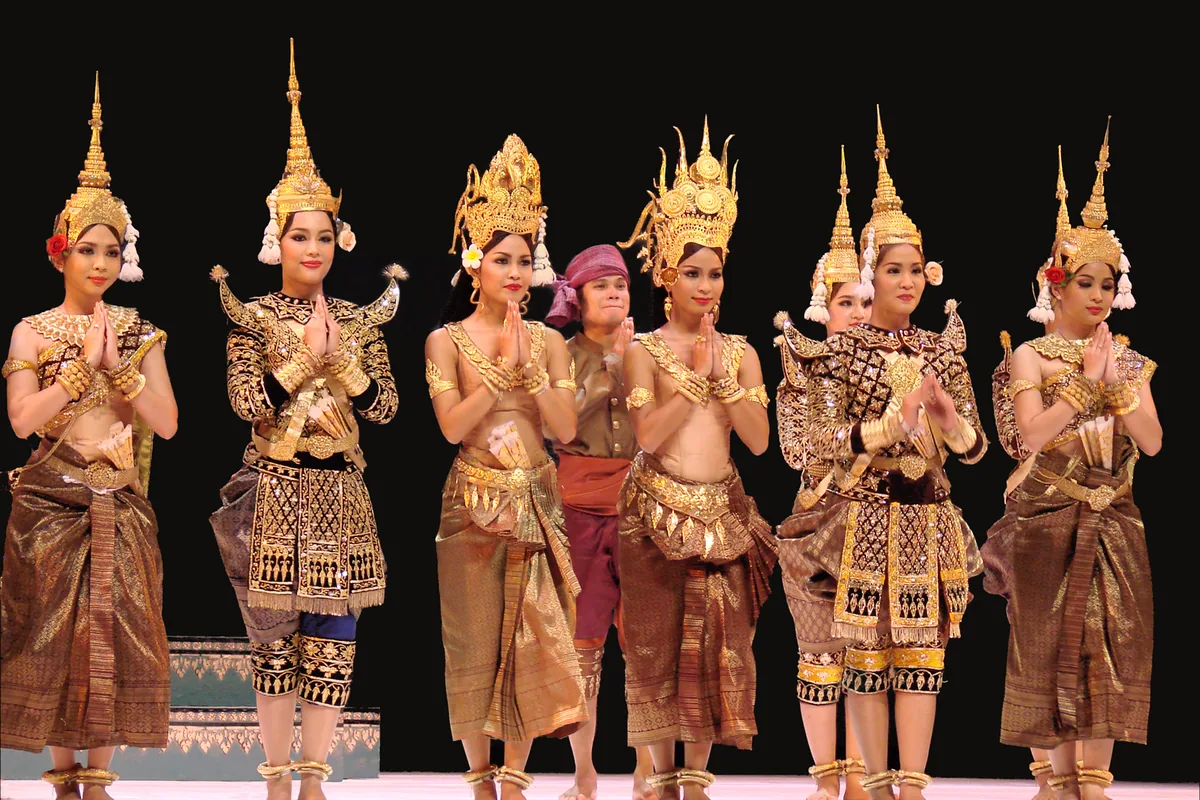
Five apsara dancers in a line, in gold crowns and cream bodices, with skirt-cloths in red, green and blue on a red carpet.

The dance, piece by piece

What a Khmer classical dance is made of

Khmer classical dance is built from a small set of elements: a vocabulary of hand gestures, four kinds of character, the apsara, an orchestra and a chorus. Here they are one by one, as UNESCO and the dance literature describe them.

  1. Gesture

    Kbach, the hand alphabet

    Kbach is the Khmer word for the hand gestures of the dance, and it means style. Together they work like an alphabet, standing for natural things such as fruit, flowers and leaves. Where the arm sits, and where the hand sits relative to the arm, can alter a gesture's meaning. UNESCO says dancers need years of intensive training to master them.

  2. Character

    Neang, the woman

    Neang is the woman, the first of four character types in the classical repertory. Ranks run from queens and goddesses down to maiden servants. Other female characters, such as the apsara, follow the same dancing style as the neang with subtle differences in gesture, and the main difference is the costume.

  3. Character

    Neayrong, the man

    Neayrong is the man, the second character type, and it covers kings, princes and gods in the highest ranks. Most roles in Khmer classical dance are performed by female dancers.

  4. Character

    Yeak, the giant

    Yeak is the giant, or ogre, and the character wears a mask. The giants have their own overture, a display of power as they go into combat or battle.

  5. Character

    Sva, the monkey

    Sva is the monkey. Under Queen Sisowath Kossamak the monkey roles were transferred to men, who play acrobatic monkeys set apart from the human roles.

  6. The apsara

    Apsara, the celestial dancer

    On the temple walls of Angkor, female figures that dance or are poised to dance are considered apsaras, and those standing still and facing forward are devatas. The Apsara dance of today was created in the 1950s, and its costume is based on the Angkor reliefs.

  7. Music

    Pinpeat, the orchestra

    The pinpeat is the largest Khmer traditional musical ensemble, with approximately nine or ten instruments, mainly wind and percussion, including several varieties of xylophone and drums. It has played the ceremonial music of the royal courts and temples since ancient times.

  8. Voice

    The chorus

    UNESCO describes a female chorus that narrates the plot as it unfolds and underlines the emotions the dancers mime. Dancers do not sing or generally speak, so gesture and chorus carry the story between them.

These panels describe the tradition, not a running order. What you see on a given night depends on the programme the performers present.

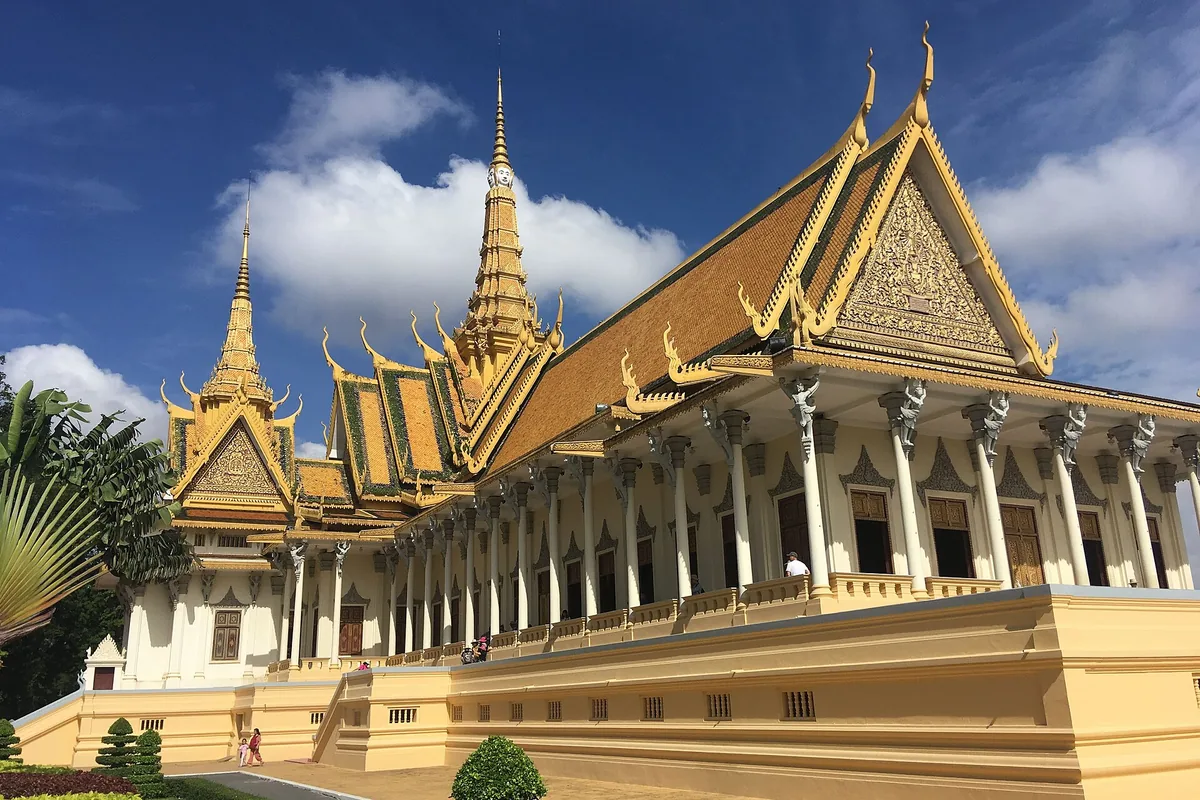
The riverside promenade in Phnom Penh in golden light, with royal palms and a row of pale buildings.

The terrace

The terrace evening, in four parts

The ticket covers the performance. Everything around it, from the table to the food, is arranged with the restaurant.

The terrace
The show takes place on the outdoor terrace of the Riverview Restaurant & Bar, on the first floor of 313 Quayside, Preah Sisowath Quay. When it rains, the show is performed indoors. The restaurant's replies to guest reviews say the terrace stage is much bigger than the indoor one.
Dinner and drinks
Dinner and drinks are à la carte and optional. The menu mixes modern Italian, Australian and traditional Cambodian dishes. Group bookings and a buffet can be pre-arranged through the restaurant's website.
Seats
The restaurant's replies to reviews recommend booking in advance for the best seating options, and one reviewer thought the stage could be raised higher for guests at the back.
The programme
The ticket includes a show programme, and reviewers describe an emcee who explains the dances and a pamphlet about the Royal Ballet.

Evenings on the river in Phnom Penh

Book an Apsara dance evening

The first row opens the Apsara dance show this guide describes. The other two are river cruises, which are boat trips and not dance performances. Other Phnom Penh activities are listed in the strip underneath.

Apsara dance show at a riverside restaurant

4.7 · 105 reviews · From US$13

A Khmer classical dance performance by the Princess Devi Dance Academy, on a terrace beside the Tonlé Sap, with a show programme and à la carte dinner and drinks.

Best for Visitors who want to see Khmer classical dance live.
Open the Apsara show calendar ↗

Mekong river cruise with live Khmer music

4.6 · 313 reviews · From US$10

A two-hour river cruise at sunset or in the evening with live traditional Khmer music, and an optional all-you-can-eat dinner.

Best for Visitors who want the river, live music and a boat.

Check open dates ↗

Sunset river cruise with commentary

4.7 · 682 reviews · From US$9

A one-and-a-half-hour sunset cruise with commentary on riverbank landmarks such as the Royal Palace, and unlimited beer and soft drinks as an option.

Best for Visitors who want a short cruise and the view of the city.

Check open dates ↗

Pick a date for the Apsara show

The live calendar on the booking site shows open dates, seat options and fares, and it is the final word on all three.

More to book in Phnom Penh

More to book in Phnom Penh ↗

Plan the evening

Before you go

  1. Pick your night

    The show runs on Wednesdays, Saturdays and Sundays. Open dates appear in the booking calendar, and booking ahead gives the best seating options.

  2. Find the entrance

    The venue is on the first floor of 313 Quayside, Preah Sisowath Quay. Reviewers found the address hard to locate, so look for the number and the first-floor level.

  3. Check the weather

    If it rains, the show is performed indoors. The restaurant says the terrace stage is much bigger than the indoor one.

  4. Decide about dinner

    Dinner and drinks are à la carte and optional. The ticket recommends arriving earlier if you plan to eat before the show.

  5. Plan for access

    The booking page shows wheelchair access as available. As the venue is on the first floor, ask the restaurant to confirm step-free access before you travel.

  6. Booking for a group

    Group bookings and a buffet can be pre-arranged through the restaurant's website.

FAQ

Questions before you book the Apsara evening

Is this the national Royal Ballet company?

The ticket title uses the name Royal Ballet of Cambodia and the description names the Princess Devi Dance Academy as the performers. UNESCO uses the name for the whole dance tradition, and it can also refer to the National Dance Company. Nothing on the ticket presents the evening as that company's season.

Do I have to eat dinner there?

No. Dinner and drinks are à la carte and optional, and the ticket recommends arriving earlier if you plan to eat before the show.

Which days does the show run?

Wednesdays, Saturdays and Sundays. Open dates appear in the booking calendar.

Is there cover if it rains?

The performance moves indoors. If the show is cancelled, the ticket says the purchase price can be redeemed as a food and drink credit.

How long is the performance?

The ticket shows a duration of 105 minutes, with a show programme included.

Where is the entrance?

On the first floor of 313 Quayside, Preah Sisowath Quay, Phnom Penh. Look for the number 313 and the first-floor level.

Can wheelchair users attend?

The booking page shows wheelchair access as available. As the venue is on the first floor, ask the restaurant to confirm step-free access before you travel.

What is an apsara?

A celestial dancer of Hindu and Buddhist culture, carved on the temple walls of Angkor. The Apsara dance performed today dates from the 1950s, and its costume is based on those reliefs.

Khmer classical dance beside the Tonlé Sap, with dinner if you want it.

Book an Apsara evening ↗

Every price here is per adult and quoted in US dollars. Once you open the booking page it switches to your own currency.

Reserve your Apsara seatFree cancellation until 24 h before · pay later